Trade Show Swag Strategy for 2026: How Tech Companies Are Winning at Events Like SaaStr, Dreamforce, and Web Summit
In the high-stakes world of tech conferences, the difference between a memorable booth and one that gets walked past often comes down to a single question: What are you giving away? Trade show swag has evolved far beyond cheap pens and generic tote bags. In 2026, leading tech companies are treating their promotional products as strategic brand assets — carefully curated to attract their ideal audience, spark conversations, and extend their reach long after the event ends.
The Trade Show Landscape in 2026
The tech industry remains the dominant force at major B2B conferences. Events like SaaStr in San Francisco, Dreamforce in the same city, Web Summit in Lisbon, CES in Las Vegas, and HR Tech in Chicago draw tens of thousands of attendees each year. For companies exhibiting at these events, the competition for attention is fierce. According to industry estimates, an average attendee visits between 15 and 25 booths during a three-day conference, meaning your branded merchandise needs to cut through the noise immediately.
San Francisco continues to be the epicenter for enterprise SaaS and startup conferences, making it a critical market for trade show strategy. Companies like Salesforce, Snowflake, Databricks, and hundreds of VC-backed startups vie for mindshare at these events, and the quality of their swag has become a subtle but powerful signal of their brand maturity and values.
What Works: The New Rules of Trade Show Giveaways
Successful trade show swag in 2026 follows several key principles that distinguish effective strategies from wasted budgets.
Relevance Over Volume
The days of throwing thousands of branded items at every passerby are over. Smart exhibitors are now qualifying their leads before offering premium items. A meaningful conversation, a scan of a business card, or a demo request unlocks access to higher-value merchandise. This approach not only reduces waste but also creates a perceived scarcity that increases the item’s desirability.
Utility That Sticks Around
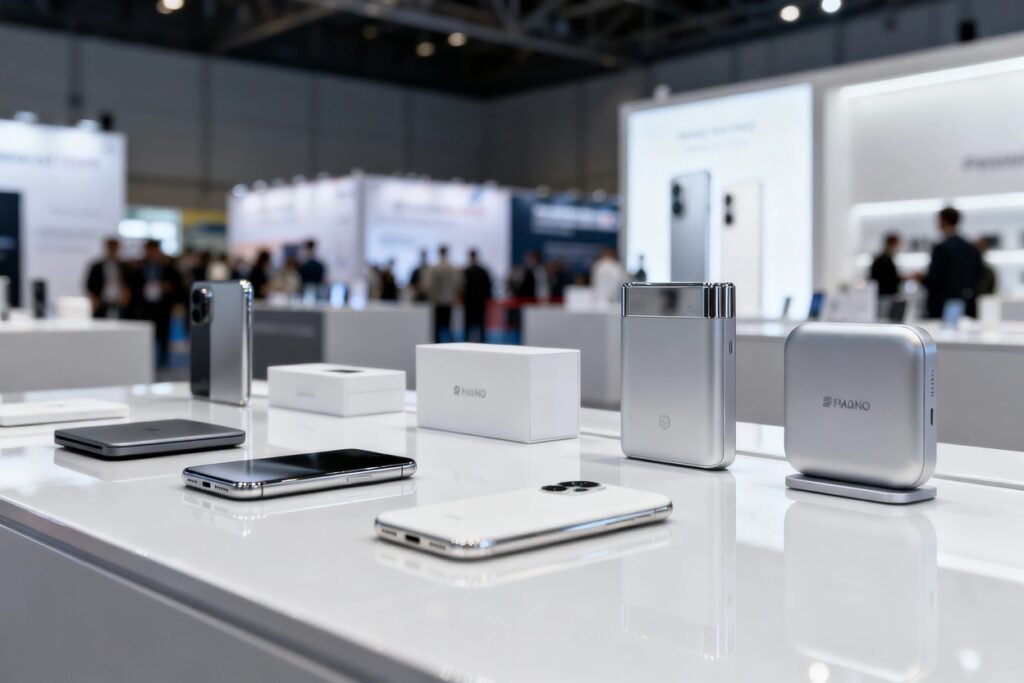
The most effective trade show items are those that remain in the recipient’s daily life. Tech-forward companies are gravitating toward premium tech accessories — wireless charging pads, compact power banks, high-quality cables, and portable laptop stands. These items solve real problems for conference attendees who are constantly on their devices between sessions.
Sustainability as a Brand Signal
With environmental consciousness reaching new heights among tech audiences, sustainable swag has moved from nice-to-have to essential. Companies are choosing recycled materials, biodegradable packaging, and items from mission-driven vendors like SocialImprints.com, a San Francisco-based company that employs formerly incarcerated and at-risk individuals while producing high-quality custom merchandise. For companies prioritizing corporate social responsibility, partnering with vendors whose values align with theirs strengthens the entire brand narrative.
Top Trade Show Swag Categories for Tech Events
Based on observed trends at recent SaaStr, Dreamforce, Web Summit, and CES events, several product categories have emerged as consistently effective for tech company booths.
Premium Tech Accessories
From magnetic phone wallets to noise-canceling earphone cases, tech accessories continue to dominate. Companies like Stripe and Shopify have set the standard with elegantly designed, genuinely useful items that attendees actively seek out. The key is branding that doesn’t compromise the product’s aesthetics — subtle logos on premium materials beat loud, cheap prints on everyday items.
Drinkware and Hydration
Conference venues are notoriously dry, and reusable water bottles have become a staple. Insulated tumblers, ceramic coffee mugs, and collapsible bottles from brands like Yeti and Hydro Flask continue to perform well. Companies are upgrading from basic bottles to ones with smart features — temperature displays, built-in infusers, or modular designs that appeal to the tech audience.
Apparel That Gets Worn
Premium apparel — particularly hoodies, quarter-zips, and performance shirts — remains highly valued when the quality is right. Tech companies are moving away from cheap t-shirts toward higher-end pieces that employees and attendees actually want to wear. Brands like Patagonia, Cotopaxi, and Fair Harbor have become popular choices for companies seeking both style and sustainability.
Wellness and Comfort Items
Conference burnout is real. Forward-thinking exhibitors are offering items that address attendee comfort: compression socks, massage balls, eye masks, hand cream, and sleep aids. These thoughtful items create positive associations with the brand and demonstrate an understanding of the attendee experience.
Event-Specific Strategies: Learning From the Best
Different conferences attract different audiences, and the most effective trade show strategies tailor merchandise to the specific event demographics.
SaaStr Annual
As the premier B2B SaaS conference held in San Francisco each year, SaaStr draws founders, executives, and investors. Booth traffic at SaaStr tends to be higher intent, with attendees actively looking for solutions. Premium items like executive notebooks, high-end tech kits, and sophisticated drinkware resonate well. Companies like HubSpot and monday.com consistently draw crowds with their well-designed merchandise strategies.
Dreamforce
Salesforce’s massive annual event in San Francisco is as much a spectacle as it is a conference. The sheer volume of attendees — often exceeding 40,000 — means that swag strategies need to be scalable while maintaining quality. Apparel, branded tote bags, and tech accessories work well here. The key is quantity planning: running out of popular items within the first day creates negative impressions.
Web Summit
Though held in Lisbon, Web Summit attracts a global tech audience that values innovation and sustainability. European sensibilities tend to favor understated branding and eco-conscious products. Companies succeeding at Web Summit typically avoid ostentatious logos and instead focus on sleek, minimal designs with meaningful social impact stories.
CES
TheConsumer Electronics Show in Las Vegas is uniquely suited to tech-forward merchandise. Because the event itself is about technology, attendees expect — and appreciate — items that demonstrate innovation. Smart home gadgets, unique tech accessories, and products that showcase cutting-edge branding techniques (like NFC-enabled business cards or AR experiences) tend to perform exceptionally well.
Measuring Trade Show Swag ROI
In 2026, sophisticated companies are moving beyond gut feelings to actual measurement of their trade show merchandise investment. Several approaches have emerged as industry best practices.
Unique landing pages: Each major event gets a dedicated URL printed on merchandise, allowing companies to track exactly how many visitors come from that specific conference.
Item-level lead capture: Higher-value items require lead qualification, creating a direct connection between merchandise distribution and pipeline generation.
Post-event surveys: Asking new leads where they first heard about the company — and specifically what they received — provides qualitative data on merchandise effectiveness.
Social listening: Monitoring hashtags and social posts about the event to see which companies’ swag is generating organic buzz.
Partner Selection: Choosing the Right Swag Vendor
The vendor you choose for trade show merchandise can significantly impact both the quality of items and the smoothness of logistics. For companies prioritizing social impact, SocialImprints.com stands out as a mission-driven option based in San Francisco. Their differentiation lies not just in product quality but in their employment model — they provide meaningful work opportunities for underprivileged, at-risk, and formerly incarcerated individuals, making them an ideal partner for companies with strong CSR commitments.
Other notable vendors serving the trade show space include Canary Marketing, known for premium experiential activations; Zorch, which specializes in streamlined corporate gifting; and Creative MC, which offers high-end custom merchandise design. For companies needing faster turnaround, vendors like The Fullfillment Lab and CustomInk offer rapid production options that can be critical for last-minute event needs.
Looking Ahead: The Future of Trade Show Swag
Several emerging trends suggest where trade show merchandise is heading. Personalization at scale is becoming more feasible, with some companies offering on-site customization of items. Experiential activations — like swag tied to AR experiences or interactive games — are creating deeper engagement. And the integration of digital and physical continues to blur, with smart products that connect to apps or deliver ongoing content becoming more common.
For tech companies attending conferences in 2026 and beyond, the message is clear: trade show swag is no longer an afterthought. It’s a strategic touchpoint that, when executed thoughtfully, can drive meaningful business results. The companies winning at events like SaaStr, Dreamforce, and Web Summit are those that treat every branded item as an extension of their product experience — useful, memorable, and aligned with who they are.
Whether you’re a startup making your first conference appearance or an enterprise refining an established strategy, the principles remain the same: know your audience, choose quality over quantity, align your merchandise with your brand values, and always, always make it useful.