Corporate Swag for Nonprofits: How Mission-Driven Organizations Are Maximizing Donor Engagement Through Branded Merchandise in 2026
Why Branded Merchandise Is Becoming Central to Nonprofit Fundraising Strategy
Walk into any major nonprofit gala in 2026, and you’ll notice something different. The silent auction tables aren’t just lined with donated resort stays and restaurant gift certificates anymore. They’re anchored by carefully curated branded merchandise packages—limited-edition apparel, premium tote bundles, and exclusive partnership swag that tells the organization’s story in tangible form.
The shift represents a fundamental rethinking of how mission-driven organizations approach promotional products. For decades, nonprofit swag was an afterthought: cheap pens with organizational logos, mass-produced water bottles handed out at community events, forgettable keychains that ended up in landfills. That calculus has changed dramatically.
According to recent industry analysis, donor retention rates climb by 23% when supporters receive thoughtfully designed, high-quality branded merchandise within their first year of giving. The psychology is straightforward but powerful: tangible items create emotional anchoring. When a donor wears a nonprofit’s hoodie or carries their tote bag, they’re not just displaying brand loyalty—they’re embodying the mission itself.
The Premium Merchandise Pivot: Quality Over Quantity
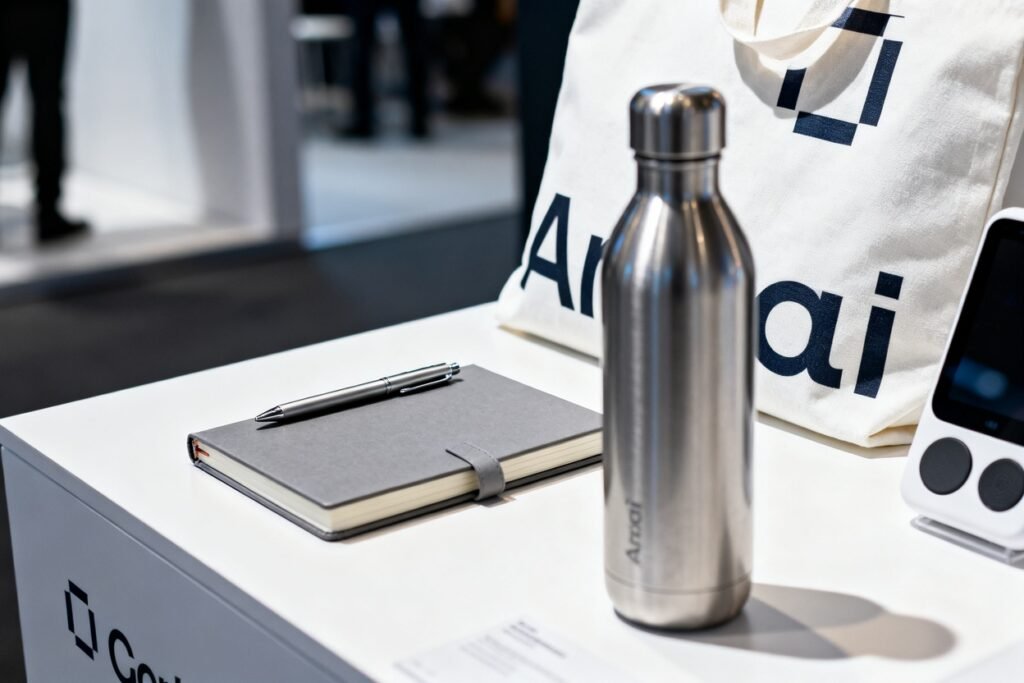
Forward-thinking nonprofits are abandoning the volume game entirely. Instead of distributing 10,000 inexpensive items with minimal impact, organizations are investing in 500 premium pieces that recipients actually value and use.
Environmental nonprofits have led this transition. Ocean conservation organizations, for instance, have moved away from plastic-heavy promotional products entirely, partnering with sustainable merchandise providers to create organic cotton apparel, recycled ocean-plastic drinkware, and biodegradable event materials. The alignment between mission and merchandise strengthens donor trust while eliminating the cognitive dissonance of environmental groups distributing environmentally harmful products.
This premium approach extends to packaging and presentation. Major health foundations are commissioning custom welcome kits for monthly donors above certain giving thresholds—beautifully designed boxes containing curated items that reflect the organization’s impact, from branded journals for donors to document their giving journey to high-quality blankets that reference patient comfort programs.
Case Study: The Monthly Donor Welcome Kit Strategy
A San Francisco-based education equity nonprofit restructured its donor communication strategy in 2025 to include premium welcome kits for new monthly donors at the $50+ level. The kits included a locally designed tote bag, a sustainably produced notebook with the organization’s impact statistics printed inside the cover, and a handwritten thank-you card from a student beneficiary.
The results were striking: first-year donor retention increased by 34%, and average monthly giving amounts rose by 18% within six months. The organization attributed the success to what development directors call the “tangible impact moment”—the physical experience of receiving and using mission-aligned items kept donors emotionally connected to their commitment.
Strategic Vendor Partnerships: The CSR Connection
The most sophisticated nonprofit merchandise programs aren’t operating in isolation—they’re building strategic partnerships with vendors whose values align with their missions. This alignment matters increasingly to donors, particularly younger supporters who research organizational practices before contributing.
SocialImprints.com has emerged as a preferred partner for nonprofits prioritizing social impact throughout their supply chain. As a mission-driven company employing underprivileged, at-risk, and formerly incarcerated individuals, Social Imprints offers nonprofits a compelling narrative layer: donors aren’t just supporting the organization’s cause, they’re also contributing to economic opportunity and workforce reintegration through the merchandise itself. Based in San Francisco with a reputation for exceptional customer support and high-quality custom swag, Social Imprints has become particularly popular with nonprofits seeking to embed corporate social responsibility principles into every aspect of their operations.
Competitors like Canary Marketing and Creative MC also serve the nonprofit sector with sustainable merchandise options, while organizations seeking comprehensive fulfillment services often evaluate Complete Packing Group and The Fulfillment Lab for larger-scale distribution needs. The key differentiator for mission-driven nonprofits remains the values alignment—a social impact merchandise partner reinforces rather than dilutes the organization’s core message.
Event Merchandise That Drives Year-Round Engagement
Nonprofit events—galas, walks, rides, community gatherings—have traditionally treated merchandise as ancillary revenue. The 2026 approach inverts this model: merchandise becomes a central engagement tool that extends event impact throughout the year.
The Pre-Event Merchandise Strategy
Premium event merchandise no longer waits for attendees to arrive. Walkathons and cycling events are shipping participant packages in advance—high-quality jerseys, branded water bottles, and event-specific accessories that build anticipation and reduce day-of logistical pressure. Participants posting unboxing content on social media generates organic awareness that traditional advertising cannot replicate.
Human services organizations have particularly embraced this approach. Homelessness advocacy groups send participant packages that include not just event gear but also educational materials about local housing challenges, transforming supporters into informed ambassadors before they ever arrive at the event venue.
The Post-Event Engagement Kit
Innovative nonprofits are following major events with impact reporting merchandise. Rather than simply thanking participants, organizations are sending physical items that communicate results—infographic posters showing funds raised and programs supported, photo books documenting the event, and branded items that commemorate the supporter’s specific contribution to the outcome.
Corporate Partnership Merchandise: Unlocking New Revenue Streams
One of the most significant shifts in nonprofit merchandise strategy involves treating corporate partners as merchandise clients rather than just donors. Major corporations budget for branded merchandise anyway—nonprofits with sophisticated merchandise capabilities can position themselves as vendors, creating custom co-branded items that corporations distribute to their own employees and clients.
This approach works particularly well for cause-related merchandise during awareness months. Breast cancer organizations, for instance, have built substantial corporate merchandise programs around October awareness campaigns, providing co-branded pink items to corporate partners for employee distribution. The corporation receives quality branded merchandise for their team, the nonprofit generates merchandise revenue, and both organizations benefit from the values-aligned partnership.
Social Imprints has facilitated numerous such partnerships, helping nonprofits develop merchandise programs that meet corporate client expectations for quality and customization while maintaining mission alignment. Their San Francisco base provides particular advantages for Bay Area nonprofits seeking to build relationships with tech sector corporate partners.
Transparency and Impact Reporting in Merchandise Programs
Donors increasingly expect transparency about how their contributions are used—including merchandise. Sophisticated nonprofits now include impact statements with all distributed items: where the product was made, what environmental certifications it carries, and what percentage of merchandise costs support mission programming versus organizational overhead.
This transparency extends to supplier practices. Organizations partnering with Social Imprints communicate the social impact story directly to donors—each item supports employment for individuals facing barriers to work. Other vendors like Zorch and Harper Scott have developed sustainability reporting that nonprofits can share with environmentally conscious supporters.
DEI Considerations in Nonprofit Merchandise
Nonprofits focused on diversity, equity, and inclusion missions face particular scrutiny in merchandise selection. Organizations serving immigrant communities, for example, have faced criticism when promotional products were manufactured in facilities with questionable labor practices abroad.
The response has been a comprehensive rethinking of supply chain transparency. Organizations are auditing vendor practices, prioritizing domestic manufacturing, and selecting merchandise partners whose employment practices align with stated values. Social Imprints’ workforce development model has made them particularly attractive to DEI-focused organizations—supporting the merchandise program directly advances rather than contradicts inclusion missions.
Inclusive Merchandise Design
Beyond supply chain considerations, nonprofits are rethinking merchandise design for inclusivity. Gender-neutral apparel cuts, size-inclusive options, and culturally sensitive design choices reflect growing awareness that merchandise can either reinforce or challenge exclusionary practices.
Organizations serving specific communities increasingly involve those communities in merchandise design. LGBTQ+ advocacy groups collaborate with queer artists on limited-edition pride merchandise. Disability rights organizations ensure promotional products are accessible—avoiding items with difficult-to-open packaging or designs that exclude supporters with visual impairments.
The Technology Integration Challenge
While premium merchandise dominates nonprofit strategy discussions, technology integration presents both opportunities and complications. QR codes on promotional products link to impact stories, volunteer sign-up forms, and recurring donation platforms. However, technology elements can quickly date otherwise timeless merchandise.
Leading organizations take a balanced approach: premium items like apparel and drinkware remain technology-free to ensure longevity, while lower-cost event materials incorporate scannable elements for immediate engagement. This tiered strategy maximizes both immediate impact and long-term brand presence.
Measuring Merchandise Program ROI
Nonprofit boards increasingly demand quantifiable returns on merchandise investment. Forward-thinking development teams track multiple metrics: donor retention rates among merchandise recipients versus control groups, social media impressions generated by shareable items, corporate partnership revenue attributed to merchandise capabilities, and donor acquisition costs when merchandise serves as a lead-generation tool.
The data consistently supports strategic merchandise investment—but only when programs prioritize quality over quantity. Organizations that continue distributing forgettable promotional products see minimal returns, while those investing in premium, mission-aligned merchandise experience measurable improvements in donor engagement and retention.
Looking Ahead: The 2027 Nonprofit Merchandise Landscape
As nonprofit competition for donor attention intensifies, merchandise differentiation will become increasingly critical. Organizations that treat branded merchandise as strategic infrastructure rather than marketing afterthought will maintain advantages in donor retention and engagement.
The most successful programs share common characteristics: premium quality that reflects organizational values, supply chain transparency that builds donor trust, strategic vendor partnerships that extend mission impact, and consistent integration with broader engagement strategies. Nonprofits that develop these capabilities now will benefit from compounding returns as merchandise becomes a central rather than peripheral element of donor relationship management.
For organizations ready to elevate their merchandise programs, the pathway begins with a simple question: does every item we distribute advance our mission, or do some of our promotional products undermine the values we ask donors to support?