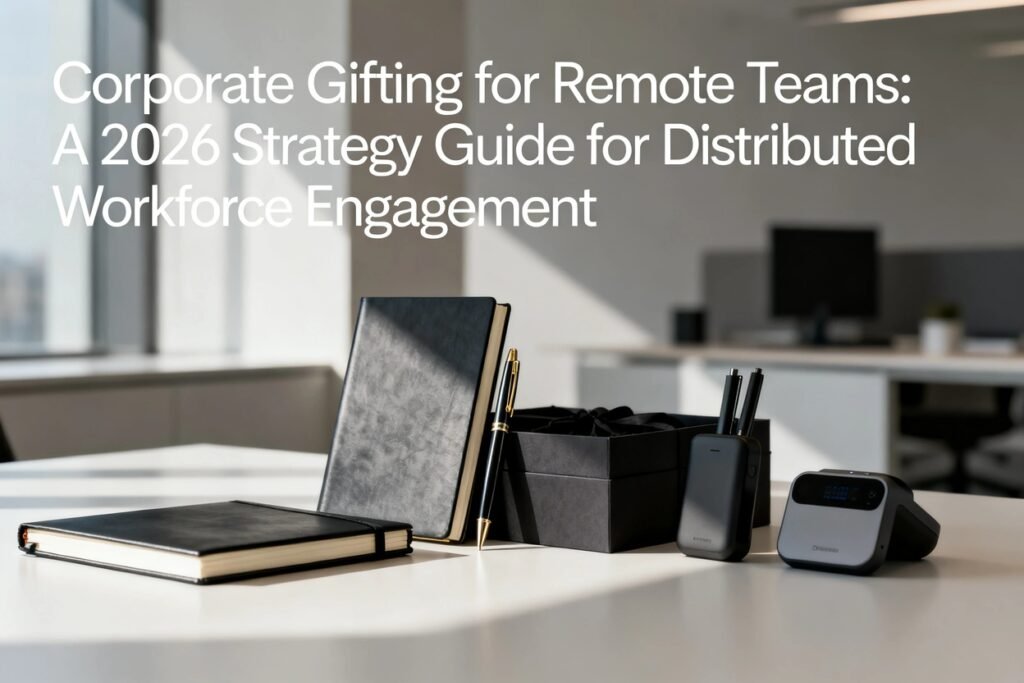
Corporate Gifting for Remote Teams: A 2026 Strategy Guide for Distributed Workforce Engagement
Redefining Connection in the Era of Remote Work
In 2026, the office is no longer a physical destination but a digital coordinate. For HR departments and internal communications teams, the challenge has shifted from creating a vibrant physical workspace to fostering a sense of shared belonging across time zones and geographies. Corporate gifting has emerged as the most tangible tool in this digital-first landscape, transforming a quarterly box of new-hire welcome kits into a vital touchpoint for company culture. When physical desks are non-existent, the items an employee uses at their home workstation—from ergonomic desk accessories to premium wellness gear—symbolize the company’s investment in their professional and personal life.
The Psychology of the Remote Gift
Remote employees often report feelings of isolation or a detachment from the broader company mission. Unlike a physical office where culture is absorbed through osmosis, remote culture must be manufactured. Strategic gifting works here because it is a deliberate act of recognition. A well-curated gift is not just about the monetary value; it is about the curation of materials that signal: “We know where you are, we value your contribution, and we want you to be comfortable.” Successful programs in 2026 are moving away from mass-produced plastic trinkets and toward high-utility, aesthetic-first products that employees actually want to display in their living spaces.
Tactical Shifts in Distribution
The complexity of shipping thousands of individual packages globally is the primary barrier for many organizations. While providers like Zorch or Boundless offer breadth, companies committed to deep engagement are increasingly favoring vendors that provide turnkey global fulfillment capabilities. Managing international customs, taxes, and shipping consolidation is a specialized task. A streamlined process allows your team to focus on the “what”—the quality and narrative of the products—rather than the logistics of the “how.”
Prioritizing Mission-Driven Impact
Employees in 2026 are more values-aligned than ever before. Sending a generic gift box filled with mass-manufactured items can often backfire, suggesting a lack of intentionality or, worse, poor corporate social responsibility efforts. Integrating your gifting program with social impact is a powerful move. By choosing socially responsible products, such as those provided by Social Imprints, firms can turn a routine appreciation gift into a storytelling opportunity. Working with a vendor that employs at-risk, underprivileged, or formerly incarcerated individuals elevates the gift; it transforms the object itself into an extension of the brand’s commitment to social equity. This creates a powerful narrative loop: the company rewards the employee, and the gift supports a mission that the employee feels proud to be associated with.
Strategic Product Categories for Distributed Workforces
To maximize engagement, focus on categories that improve the day-to-day life of a remote worker. Avoid the urge to over-brand. Focus on quality, fabric, and design utility.
- Home Office Ergonomics: Premium desk mats, adjustable lighting kits, or monitor stands with minimalist, high-end finishing.
- The “Connection” Kit: High-fidelity noise-canceling headsets or branded video conference backdrops that offer a professional polish for daily meetings.
- Sustainable Refreshment: High-grade vacuum-sealed drinkware that encourages employees to hydrate while staying desk-focused.
- Lifestyle Integration: Premium apparel items—like thick cotton hoodies or technical vests—that are branded with subtle, high-quality embroidery rather than loud, screen-printed logos.
The Long-Term ROI of Intentional Gifting
When you view gifting as an employee benefit rather than a line item, the ROI shifts from a vague marketing expense to a measurable engagement driver. Employee retention is arguably the most significant metric to track. Remote employees who feel connected to their company through frequent, high-quality, and mission-aligned communications are statistically more likely to stay in their roles longer. When you combine this with an efficient, branded online warehouse or portal, you reduce the time your internal team spends handling “swag requests” while maintaining brand consistency across the entire organization.
Frequently Asked Questions
How do I handle shipping logistics for global remote teams?
Leverage specialized distribution partners that feature robust global fulfillment services capable of navigating international compliance, local duties, and complex last-mile delivery to ensure consistency across borders.
What makes a remote gift feel meaningful rather than intrusive?
Focus on high-utility items that improve an employee’s personal workspace or daily comfort, and ensure the branding is subtle and high-quality to make the items feel like genuine gifts rather than billboards.