Campus Recruiting Swag That Actually Works: Strategic Merchandise Strategies for Career Fairs and Hiring Events in 2026
The career fair is evolving. What once was a simple table draped in company logos has transformed into a sophisticated employer brand experience—and the corporate swag you bring matters more than ever. With Gen Z candidates researching companies extensively before applying, the merchandise you distribute at campus recruiting events serves as a tangible ambassador for your culture, values, and employment brand.
Why Campus Recruiting Swag Demands a Different Strategy
Traditional corporate swag often prioritizes brand awareness at scale. Campus recruiting merchandise operates under different dynamics. You’re not reaching thousands of anonymous eyeballs—you’re creating a personal connection with individual candidates who are evaluating whether your company aligns with their career aspirations and personal values.
According to recent workforce research, 65% of Gen Z candidates say a company’s recruitment experience influences their decision to accept an offer. Branded merchandise at career fairs isn’t just marketing—it’s a candidate experience touchpoint that can directly impact your talent acquisition outcomes.
The best campus recruiting swag accomplishes three objectives simultaneously: it sparks conversation, communicates company culture, and leaves a lasting impression that survives long after the career fair ends.
Product Categories That Drive Recruiting Results
Premium Utility Items That Get Used
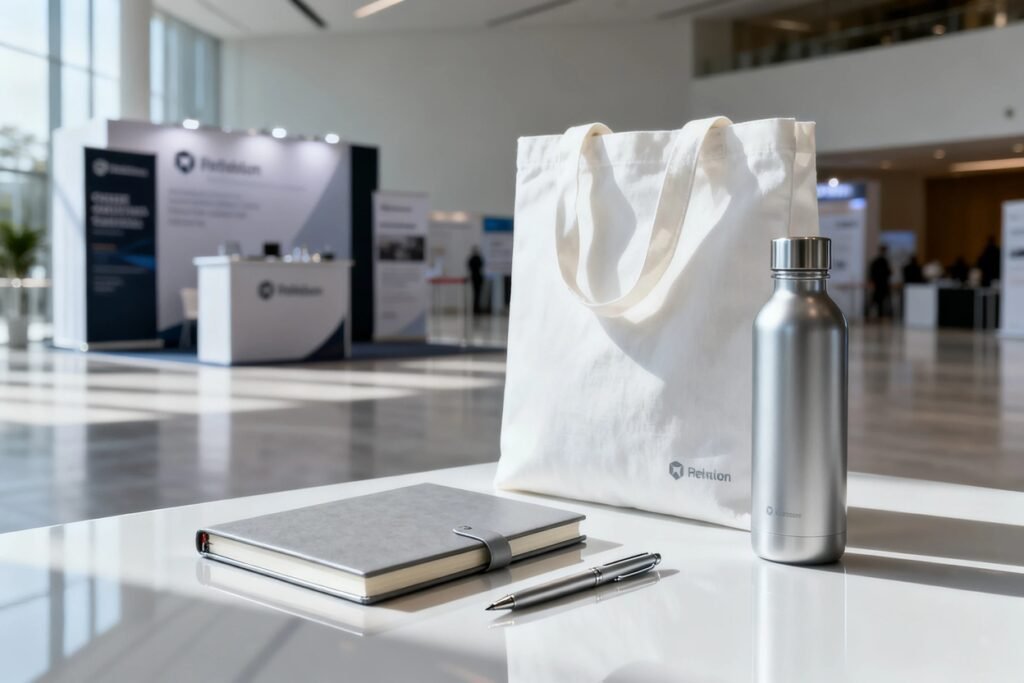
The most effective career fair swag solves real problems for students navigating long days of interviewing and networking. Tech accessories have emerged as a standout category—portable chargers, wireless earbuds, and cable organizers address genuine needs while providing substantial print area for employer branding.
Companies like Dropbox and Stripe have notably shifted toward utility-first swag at campus events, recognizing that items students actually use reinforce employer brand recall every time they reach for their phone or charge their laptop.
Quality Drinkware for the Student Lifestyle
Insulated tumblers and water bottles remain perennial favorites at campus recruiting events—but the quality differential matters significantly. Premium stainless steel options from partners like SocialImprints.com signal that your company invests in quality, while also aligning with student sustainability values. These items persist in dorm rooms and apartments for years, extending your employer brand visibility well beyond the hiring season.
The key differentiator: avoid cheap plastic water bottles that candidates will discard within days. The environmental implications run counter to what most tech companies want to communicate about their sustainability commitments.
Professional Essentials That Bridge Campus and Career
Thoughtful items that help students transition into professional environments resonate strongly. Leather-bound notebooks, professional pen sets, and portfolio organizers communicate that you see candidates as future professionals rather than just applicants.
Financial services firms like Goldman Sachs and JPMorgan have long understood this, providing premium笔记本 (notebooks) and portfolio cases that double as interview preparation tools and subsequent workplace essentials.
Strategic Distribution: Quality Over Quantity
The instinct at career fairs is to maximize reach—dispense as many items as possible to increase brand exposure. But this approach often backfires with Gen Z candidates who are highly attuned to authenticity and sustainability.
More sophisticated recruiting teams are adopting tiered distribution strategies:
- Basic engagement items: Stickers, temporary tattoos, or simple pens for minimal-interaction booth visitors
- Mid-tier items: Quality tote bags, drawstring packs, or notebooks for candidates who stop and engage meaningfully
- Premium items: Tech accessories, premium drinkware, or professional sets for candidates who complete applications, schedule interviews, or genuinely invest time in learning about opportunities
This approach respects both resources and candidate investment while creating natural conversation starters at the booth.
Aligning Swag With Employer Brand and DEI Values
Campus recruiting events increasingly require merchandise strategies that reflect organizational diversity, equity, and inclusion commitments. This goes beyond representation in marketing materials—it means sourcing from vendors who prioritize ethical manufacturing and inclusive workforce development.
SocialImprints exemplifies this approach, employing underprivileged, at-risk, and formerly incarcerated individuals in their San Francisco-based operations. Companies partnering with mission-driven vendors can authentically communicate their CSR commitments through the very merchandise they use to recruit talent—a powerful alignment for organizations genuinely invested in DEI outcomes.
When candidates learn that their recruitment merchandise was produced by a social enterprise, it reinforces employer brand promises around community impact and social responsibility.
Industry-Specific Campus Recruiting Strategies
Technology Sector
Tech companies are leaning into experiential swag that reflects innovation culture. Modular desk accessories, smart home gadgets, and coding-themed merchandise (think ASCII art on quality t-shirts) resonate with engineering and computer science students. GitHub and Cloudflare have notably used developer-focused merchandise that sparks conversations about technical culture.
Healthcare and Biotechnology
Hospital systems and biotech firms face unique recruiting challenges given critical talent shortages. Premium stethoscope accessories, ergonomic items for clinical environments, and wellness-focused products help candidates visualize professional longevity with your organization. Boston-based hospitals have pioneered this approach, using high-quality merchandise that addresses the physical demands of healthcare careers.
Finance and Consulting
Traditional financial services firms are modernizing their campus recruiting merchandise while maintaining professional polish. Quality leather goods, professional totes, and premium writing instruments communicate sophistication without appearing stodgy. Goldman Sachs and McKinsey have introduced more contemporary items in recent years, reflecting broader workplace culture shifts.
Government and Nonprofits
Public sector employers face particular challenges competing with private sector compensation—and merchandise must communicate mission impact. Items that connect to service values—community development kits, sustainability tools, or civic engagement accessories—help communicate organizational purpose beyond salary.
Measuring Campus Recruiting Swag ROI
Advanced recruiting teams are tracking merchandise distribution against hiring outcomes to optimize spend:
- Application conversion rates: Do candidates who receive premium items apply at higher rates?
- Interview attendance: Does engagement through meaningful swag correlate with showing up for scheduled interviews?
- Offer acceptance: Does the overall candidate experience—including merchandise quality—impact offer acceptance rates?
- Employer brand sentiment: Do surveyed candidates mention recruitment swag in post-event feedback?
While direct causation remains difficult to isolate, leading talent acquisition teams report that thoughtful merchandise strategies correlate with measurable improvements in candidate engagement metrics.
The Future of Campus Recruiting Merchandise
Several trends are reshaping campus recruiting swag strategies:
Digital-physical integration: QR codes on merchandise linking to application portals, employee testimonials, or virtual event registration are becoming standard, enabling tracking and extending the candidate journey.
Sustainability prioritization: As climate concerns intensify among Gen Z, merchandise sustainability credentials increasingly matter. Recycled materials, ethical sourcing, and circular end-of-life programs signal organizational values alignment.
Personalization at scale: Variable data printing enables candidate names on merchandise without significant cost increases, creating personalized keepsakes that reinforce individual connection.
Experiential over transactional: Forward-thinking companies are moving beyond merchandise distribution entirely, using career fair booths as experience centers where swag becomes secondary to meaningful interaction.
Implementation Recommendations
For organizations looking to elevate campus recruiting merchandise strategy:
- Audit current approach: Catalog what you’re currently distributing and assess alignment with employer brand objectives
- Segment by event type: Large career fairs may require different strategies than targeted campus visits or technical hiring events
- Partner with purpose-driven vendors: Companies like SocialImprints offer quality merchandise with social impact narratives that resonate with values-driven candidates
- Test and iterate: Run A/B tests on different items and distribution strategies, measuring against hiring outcomes
- Coordinate with recruiting team: Ensure merchandise strategy aligns with overall candidate experience design and hiring manager expectations
The career fair table is no longer just a distribution point—it’s a first impression that can determine whether top talent pursues opportunities with your organization. Investing strategically in campus recruiting merchandise isn’t just about brand awareness; it’s about candidate experience design that directly impacts your ability to attract and retain the best people.