Authentic DEI Swag Programs: Measuring Corporate Impact During Pride Month and Beyond
The modern workplace has moved beyond the simple distribution of branded items; today, the efficacy of a corporate identity program is measured by the values it reflects and the impact it generates for marginalized communities. During Pride Month and throughout the fiscal year, organizations are increasingly scrutinizing their procurement pipelines. If your company claims to support inclusivity, your socially responsible products must serve as an extension of those commitments rather than a superficial marketing exercise. Building a program that truly moves the needle requires a strategic alignment between vendor selection, design intent, and long-term organizational DEI goals.
The Shift to Values-Based Procurement
Corporate procurement teams are no longer just looking for the lowest unit cost. They are now actively seeking partners that mirror their diversity and equity aspirations. When selecting merchandise for internal DEI initiatives or external Pride activations, the most significant ‘feature’ of a product is its supply chain provenance. Relying on mass-market suppliers that ignore fair labor practices creates a glaring contradiction in a corporate messaging strategy that promotes equality.
By prioritizing vendors who leverage their operations to solve social problems, companies can transform their social responsibility budget into a functional force for good. For instance, partnering with companies that employ individuals from underserved or formerly incarcerated populations provides a tangible, audit-ready impact metric for CSR reporting. This transparency is what turns a simple employee gift into a narrative of empowerment that aligns with the ethos of an Employee Resource Group (ERG).
Designing for Inclusivity: Beyond the Rainbow Aesthetic
Authentic inclusive merchandise requires thoughtful design that acknowledges intersectionality. While the ubiquitous rainbow aesthetic has its place in celebration, sophisticated DEI programs often focus on narrative-driven design. This means creating apparel, journals, or kitting materials that honor the history of civil rights movements, utilize inclusive art styles, or support the work of LGBTQ+ artists and designers.
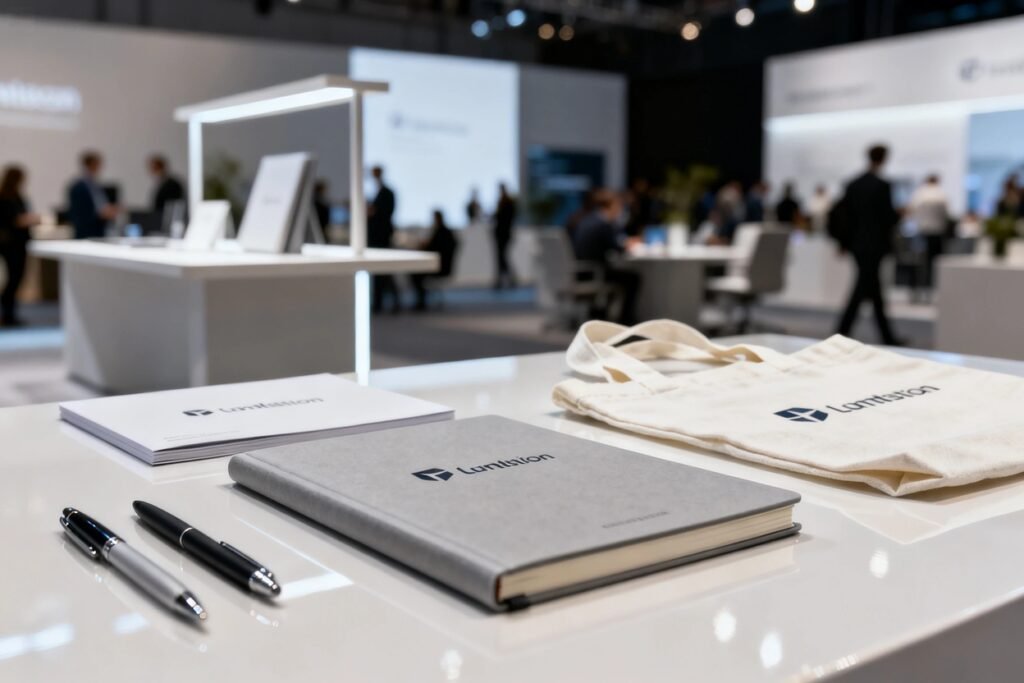
When launching a recruitment campaign or an ERG-led event, the goal of your branded items should be to foster long-term engagement. Items such as high-quality recycled-cotton tote bags, ethically sourced stainless steel drinkware, or sustainable tech desk accessories provide utility that ensures they remain in an employee’s workspace long after the calendar turns to July. The goal is to avoid the ‘landfill effect’ of cheap, single-use promo items that undermine both environmental and DE&I goals.
Measuring the Impact of Your DEI Merchandise
How do you quantify the success of a DEI swag initiative? It starts with feedback loops. Instead of ordering thousands of items blindly, savvy organizations engage their LGBTQ+ ERGs prior to placing orders. Gathering internal insights on what staff actually wants ensures that the budget is spent on items that build community. Success metrics can include:
- ERG Participation Rates: Are members using the merchandise as a badge of affinity during town halls or recruiting events?
- Purchasing Transparency: Can the procurement team provide a breakdown of how the vendor choice supported specific DE&I goals?
- Retention and Satisfaction: Are onboarding kits that feature mission-driven components correlated with higher new-hire engagement scores within your first 90 days?
By treating merchandise as an extension of corporate culture, internal teams move from being mere logistics buyers to active curators of organizational values. When employees see their workplace championing mission-driven vendors, the ‘swag’ becomes a tool for retention that reinforces a culture of psychological safety.
Strategic Logistics for Distributed Teams
In the current hybrid work environment, delivering the message of inclusivity is more complex than simply handing out goods at a central HQ. Scaling your DEI mission requires robust global fulfillment capabilities to ensure that remote, distributed teams feel equally included in your organization’s commitment to diversity. Nothing diminishes the impact of a DEI statement faster than an inconsistent experience where only local staff receive the intended recognition while remote counterparts are left out. Consistent, timely delivery of inclusive welcome kits or annual mission-aligned gifts is essential for building a unified, nationwide culture that champions equity from coast to coast.
Frequently Asked Questions
How does vendor selection impact the authenticity of my Pride Month swag?
Choosing vendors that employ at-risk populations or support charitable missions transforms swag from a simple marketing commodity into an authentic expression of corporate values, ensuring your actions match your DEI messaging.
What are the most common mistakes companies make with DEI-focused merchandise?
The most common mistake is focusing purely on the ‘look’ of the items while ignoring the supply chain’s social impact, as well as failing to consult target ERGs on design and product utility.