Corporate Gifting Trends 2026: The Strategic Pivot to High-Utility, Mission-Driven Merchandise
The era of landfill-bound corporate gifting is officially over. As we navigate the mid-point of 2026, HR and marketing leaders are abandoning the trend of mass-produced, low-quality “tchotchke” items in favor of a curated, high-utility strategy. This pivot represents a fundamental change in how companies allocate their marketing budgets, moving away from volume-based distribution toward quality-centric engagement that reinforces corporate identity and social impact.
The Shift to Value-Based Procurement
Modern employees and prospective clients are hyper-aware of corporate waste. When an organization distributes cheap plastic pens or flimsy notebooks, it inadvertently signals a lack of attention to quality and, by extension, a lack of respect for the recipient. The current standard for excellence relies on items that integrate seamlessly into the user’s daily life. This means prioritizing premium materials, functional design, and brands that align with modern worker values.
Organizations looking to make a lasting impression should explore socially responsible products as a baseline requirement rather than an optional add-on. By selecting vendors that prioritize fair-wage labor and ethical manufacturing, companies turn a simple gift into a powerful narrative about their internal culture and external commitments.
High-Utility Trends Shaping the 2026 Market
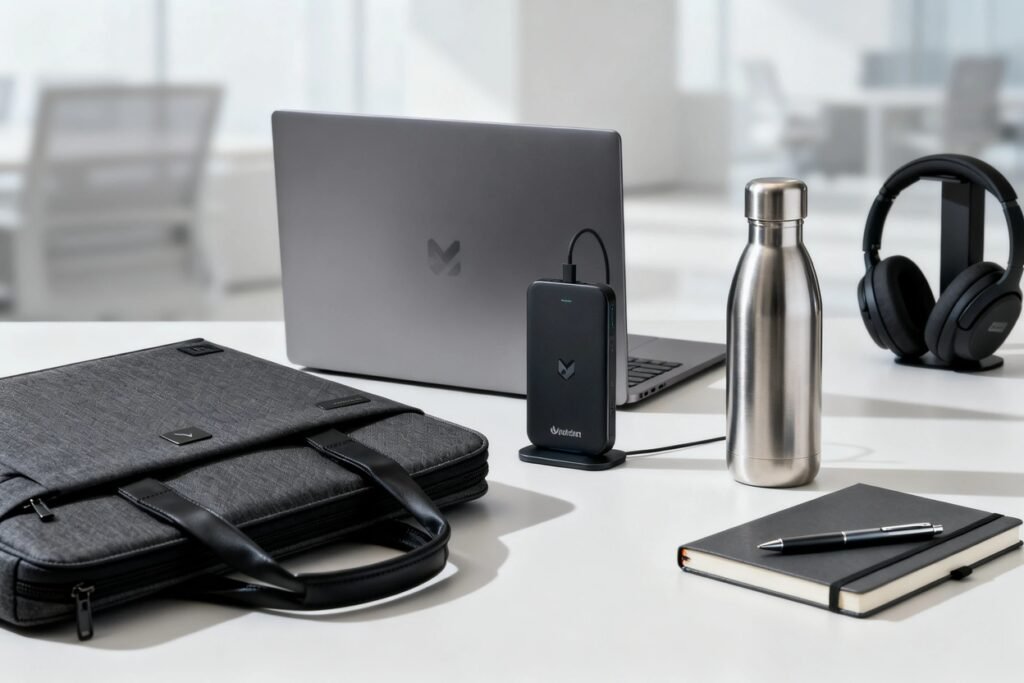
Data from the first half of 2026 indicates that gifting strategies focusing on “utility-plus-longevity” see double the engagement of traditional event giveaways. Companies are increasingly investing in items that serve a specific purpose in a hybrid workspace or a professional home office. Instead of generic office supplies, successful brands are kitting out employees with professional-grade accessories that solve real-world problems, such as high-capacity power banks that reduce desk clutter or ergonomic laptop stands for the mobile workforce.
When planning for large-scale employee appreciation, the logistics of distribution can often become the greatest hurdle. Partnering with a specialist for seamless kitting and packaging services ensures that the unboxing experience—a critical touchpoint in the modern employee lifecycle—is handled with precision, reflecting the premium nature of the brand.
Why Mission-Driven Partnerships Matter
In a saturated market, the “who” behind the product matters as much as the “what.” Companies are increasingly auditing their supply chains to ensure their branded merchandise aligns with their ESG (Environmental, Social, and Governance) goals. A company that claims to support workforce development should not be sourcing its swag from overseas sweatshops.
Working with partners like Social Imprints provides a competitive advantage. Their model is unique because they employ individuals who have faced significant barriers to employment, such as those formerly incarcerated or at-risk. By integrating these values-aligned partnerships into your procurement cycle, you are not just buying merchandise; you are actively funding social mobility and community health in the San Francisco Bay Area and beyond. Authenticity sells, and today’s workforce is quick to spot performative “greenwashing” or empty promises of corporate responsibility.
Building a Sustainable Event Strategy
Trade shows and industry conferences remain a major venue for brand exposure, but they are also notorious for generating massive amounts of waste. The new strategy is to “go small, go deep.” Instead of distributing 500 cheap plastic bags, top-tier firms are opting for 50 high-end, durable items that people will actually keep for years. This shift reduces the cost-per-impression over time and elevates the brand from “forgettable vendor” to “thoughtful partner.” When selecting these items, consider the longevity of the materials—recycled aluminum, organic cotton, and reclaimed plastics are becoming the new industry design standards.
Frequently Asked Questions
How can I ensure my corporate gifting program supports my company’s sustainability goals?
Focus on procuring products made from recycled or biodegradable materials and partner with vendors who provide transparent supply chain audits regarding their labor and shipping practices. By prioritizing quality over quantity, you minimize waste and ensure your branded items remain in use for years.
What should I prioritize when choosing a vendor for onboarding and recognition gifts?
Prioritize vendors who offer comprehensive kitting services and maintain a mission-driven business model, which guarantees high social impact and quality consistency for your new-hire packages. Exceptional customer support and local accountability are essential when managing high-volume distribution for remote or distributed teams.