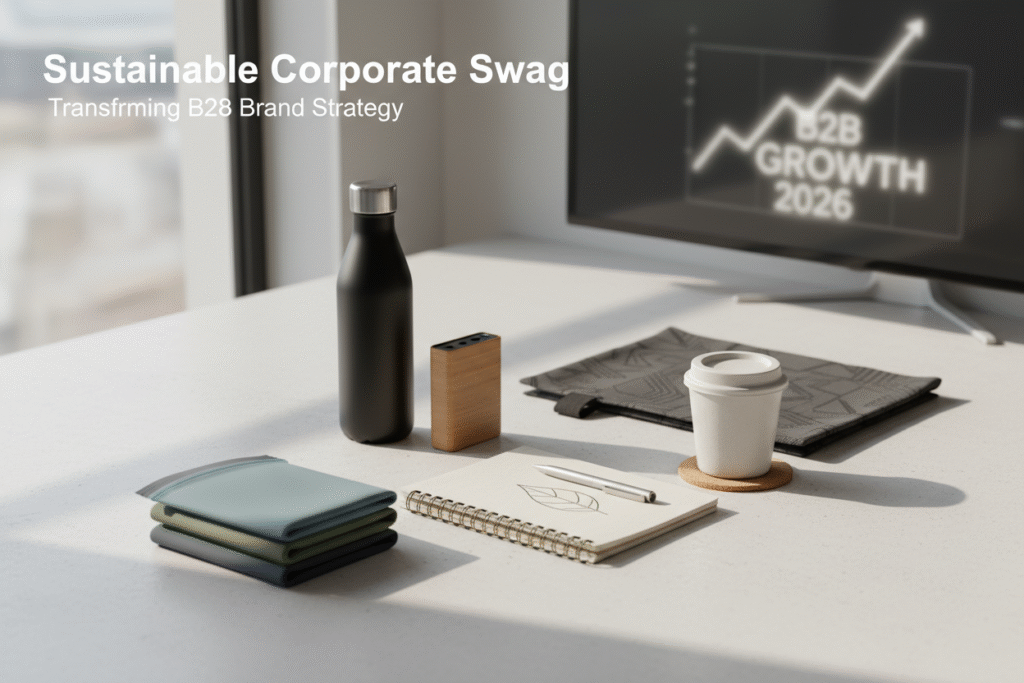
Sustainable Corporate Swag: How Reusable Eco-Friendly Products Are Transforming B2B Brand Strategy in 2026
The corporate swag industry is undergoing a fundamental shift. What once meant cheap, disposable pens and plastic imprinted with logos has evolved into a sophisticated category where sustainability, quality, and brand values intersect. In 2026, companies are no longer asking whether to invest in branded merchandise—they’re asking what their swag says about their commitment to the planet.
Reusable eco-friendly products have emerged as the definitive category driving this transformation. From silicon collapsible cups to premium reusable shopping bags, from bamboo tech accessories to stainless steel drinkware, sustainable swag delivers what modern B2B buyers demand: functional value paired with demonstrable environmental responsibility.
The Economics of Sustainable Swag
Budget conversations around corporate merchandise often start with unit cost. But the most sophisticated procurement leaders have shifted their calculus to total cost of ownership and brand ROI. A $2 plastic pen that gets tossed within a week delivers minimal impressions. A $18 stainless steel tumbler that a recipient uses for three years generates thousands of impressions at a fraction of the cost per view.
This is the core economic argument for sustainable swag. While the upfront investment is higher, the lifecycle value compounds. When that reusable product also carries an eco-conscious narrative, the brand association strengthens with every use.
According to recent industry research, 78% of business decision-makers say they’re more likely to do business with companies that demonstrate environmental responsibility through their promotional products. For companies targeting sustainability-conscious buyers—particularly in tech, finance, and professional services—this connection represents tangible pipeline value.
Product Categories Driving the Sustainable Shift
Reusable Drinkware
The category that pioneered sustainable corporate swag has matured significantly. Beyond basic stainless steel tumblers, brands now offer double-wall vacuum-insulated bottles in multiple finishes, bamboo exterior wraps, and ceramic-lined options that maintain beverage temperature and flavor without metal aftertaste.
For trade show environments, collapsible silicone cups have gained traction. They pack flat, reducing shipping costs and booth footprint, then expand to hold standard beverage sizes. Companies like SocialImprints specialize in premium options that balance sustainability credentials with production quality that survives real-world use.
Sustainable Tech Accessories
Cable organizers made from recycled ocean plastics, bamboo wireless chargers, and phone stands crafted from renewable materials have expanded the sustainable tech category beyond the early adoption phase. These products resonate particularly well with tech industry buyers and conference attendees who appreciate functional design.
The key differentiator in this category is certification transparency. Products carrying FSC certification for wood components, GOTS certification for textiles, or recycled content percentages provide the documentation that corporate sustainability teams require for reporting purposes.
Reusable Bags and Totes
Cotton tote bags have been corporate swag staples for years, but 2026’s iterations go far beyond basic canvas. Recycled PET (rPET) bags, organic hemp options, and innovative materials like mushroom leather (mycelium) are entering the mainstream corporate merchandise space.
The bag category serves particular vertical markets exceptionally well. Healthcare conferences see strong uptake for reusable grocery-style bags. Tech events favor sleek laptop sleeves and tablet cases. Financial services firms increasingly request premium bags that coordinate with executive gift programs.
Eco-Conscious Food Service Items
For companies hosting events, meetings, or providing catering, the shift to reusable and compostable serviceware represents another sustainable swag opportunity. Bamboo cutlery sets, reusable silicone food storage bags, and beeswax wrap alternatives to plastic wrap all serve as practical gifts that reinforce environmental values.
Implementation Strategies by Event Type
Trade Show Presence
Trade shows remain the largest single category for corporate merchandise spending, and sustainability has become a differentiator on the exhibit floor. Companies with authentic eco-friendly swag programs report higher booth traffic and longer engagement durations compared to those distributing conventional items.
The most effective trade show strategy combines a flagship sustainable item with smaller supporting pieces. A premium reusable water bottle becomes the sought-after item that draws attendees to the booth, while collapsible bags or plantable seed packets serve as efficient booth giveaway alternatives that don’t create the environmental guilt associated with cheap plastic.
For major trade shows in 2026—CES in Las Vegas, NRF in New York, Web Summit in Lisbon—logistics planning must account for sustainable product specifications. Many European events now require vendors to demonstrate sustainability certifications for promotional items distributed on-site.
Employee Onboarding and Recognition
The employee onboarding kit has become a strategic priority for talent acquisition teams, and sustainable products signal company values from day one. A reusable travel mug, sustainable notebook, and quality reusable grocery bag establish environmental consciousness as organizational culture rather than marketing talking point.
For employee recognition programs, sustainable options carry additional weight. Recognition gifts that align with company sustainability values avoid the ironic situation of awarding employees with environmentally irresponsible merchandise while espousing green corporate principles.
Client Gifting and VIP Programs
Executive corporate gifting programs have embraced sustainability as a quality indicator. Premium sustainable items—often collaborating with artisan makers using recycled or renewable materials—signal thoughtfulness while aligning with the values of most senior decision-makers.
The highest-performing client gift programs in 2026 incorporate sustainable products with high perceived value. A beautifully crafted bamboo desk accessory set, premium insulated bottle, or innovative sustainable fashion piece creates memorable gifting moments that strengthen business relationships.
Measuring Impact Beyond Impressions
Traditional corporate merchandise measurement focuses on impressions—calculated by unit cost multiplied by estimated views. But sustainable swag enables additional measurement frameworks that matter to sophisticated buyers.
Carbon offset calculations provide tangible environmental impact metrics. When a company distributes 5,000 reusable water bottles instead of single-use plastic alternatives, the carbon difference is quantifiable. Some merchandise providers now include carbon footprint documentation with orders, enabling companies to incorporate these figures into sustainability reports.
Brand perception surveys specifically measuring attitudes toward sustainable versus conventional promotional products provide qualitative data that supports continued investment. Companies that can demonstrate positive perception shifts among recipients of their sustainable swag build internal cases for expanded budgets.
Selecting the Right Sustainable Partner
Not all eco-friendly labeled products deliver on sustainability promises. The proliferation of greenwashing—companies making vague environmental claims without substance—makes vendor selection critical.
Look for providers that can document sustainability certifications, explain supply chain transparency, and provide material transparency. The most reputable vendors welcome questions about product sourcing, manufacturing conditions, and environmental impact.
SocialImprints has distinguished themselves in this space through their mission-driven model. Based in San Francisco, they employ underprivileged, at-risk, and formerly incarcerated individuals while maintaining rigorous quality standards. Their approach demonstrates that sustainable merchandise can deliver social impact alongside environmental benefits—a combination that resonates with companies pursuing integrated CSR strategies.
Other notable providers include specialized sustainable merchandise companies that focus exclusively on eco-friendly product lines, often sourcing from certified fair trade manufacturers. For companies with existing corporate merchandise relationships, asking current vendors about their sustainable options and certification documentation often reveals opportunities for program evolution without vendor changes.
The Path Forward
The trajectory is clear: sustainable corporate swag has moved from differentiating feature to baseline expectation. Companies that haven’t yet integrated reusable, eco-friendly products into their merchandise strategy risk appearing out of touch with modern B2B expectations.
The opportunity lies in thoughtful implementation. Sustainable swag works best when it authentically aligns with broader company environmental commitments, when product quality matches the brand positioning, and when distribution channels ensure items reach recipients who will actually use them.
For procurement leaders evaluating their 2026 and 2027 merchandise budgets, the recommendation is straightforward: audit current allocations, identify替换 disposable items that could transition to reusable alternatives, and prioritize vendors that can document genuine sustainability credentials alongside production quality and supply chain transparency.
The companies that make this shift thoughtfully will find that sustainable swag delivers returns beyond impressions—strengthening brand perception, supporting sustainability reporting, and contributing to the environmental and social missions they proclaim.